Imagine a salesperson who works every hour of every day, never forgets a detail, and talks to every visitor who walks in. That's what your website can be. For many companies, it's closer to a brochure left on a table: accurate once, rarely updated, and silent when a customer has a question.
Here are seven things a company website needs to do today to earn its keep.
1. Say what you do in five seconds
Visitors decide quickly whether they're in the right place. Your first screen should answer three questions without scrolling: what you offer, who it's for, and what to do next.
Skip vague slogans like "Innovative solutions for tomorrow." Say it plainly: "Inventory software for pharmacies. Book a free demo."
2. Load fast on a phone
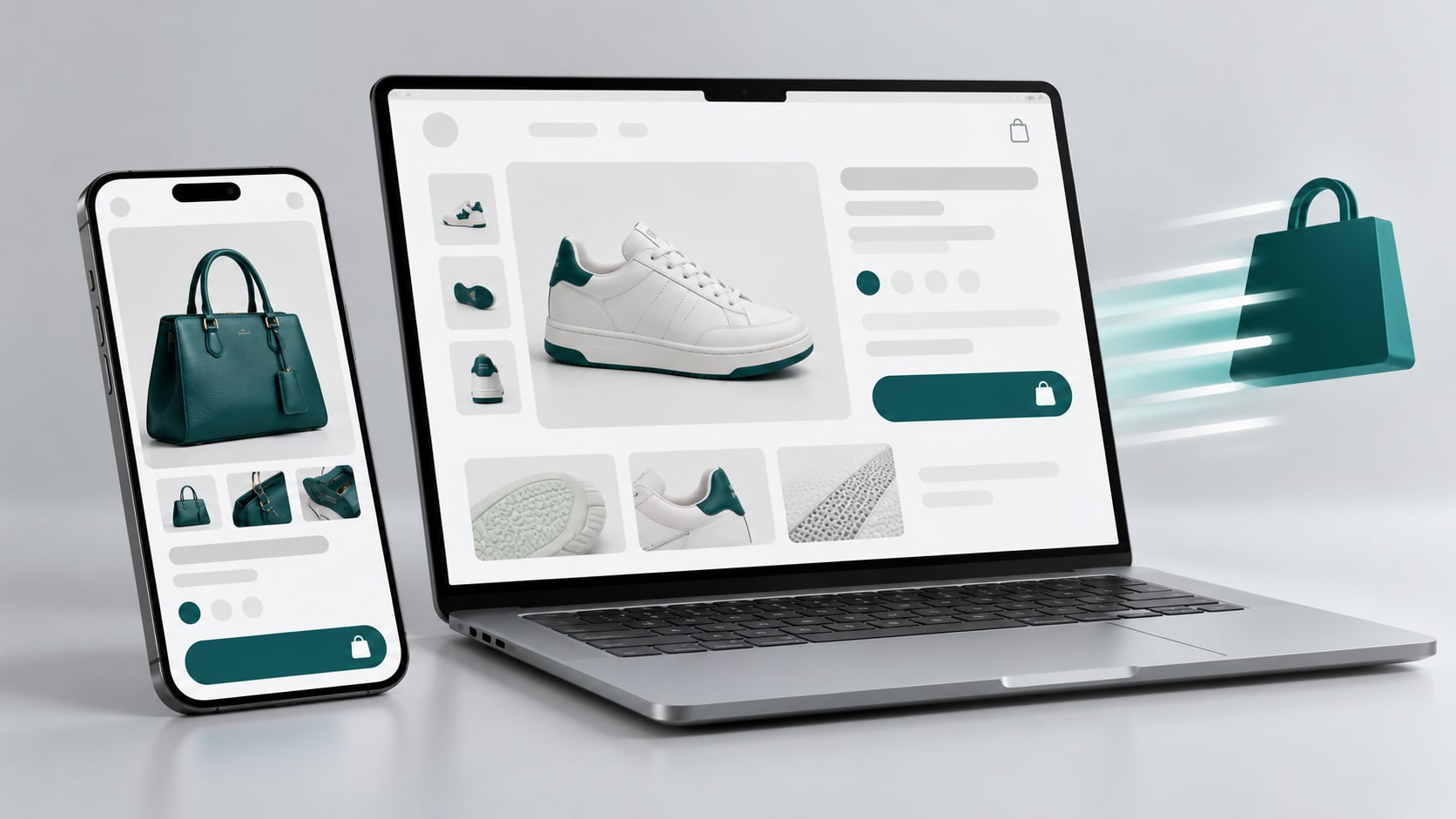
Most of your visitors are on mobile, many on average connections. A slow site loses people before they see a single word, and search engines notice too.
Modern websites can load almost instantly. Lean code, optimized images and good hosting make the difference between a site that feels effortless and one that feels broken.
3. Make contacting you effortless
Every page should offer an easy next step. In many markets that means:
- WhatsApp, one tap away
- A phone number that can be tapped to call
- A short form: just a name, a phone number and what they need
Don't make people hunt for your contact page or fill in ten fields. Every extra step loses potential customers.
4. Show proof, not promises
Anyone can claim to be "the best." Real projects, reviews and short case studies do the convincing for you. Show the problem, what you did and the result. Specific beats impressive.
5. Be findable, by people and by AI
People still search on Google, but more and more of them ask AI assistants for recommendations. To show up in both:
- Give every page a clear title and description.
- Describe your services, location and contact details consistently.
- Add structured data so search engines understand your business.
- Publish helpful articles that answer your customers' real questions.
A website that clearly explains who you are, what you offer and how to reach you is easier for both search engines and AI tools to recommend.
6. Let you update it yourself
Prices change, services expand, new projects get finished. If every small edit requires a developer, the site goes stale, and stale sites lose trust. A good website comes with a simple dashboard where you can edit text, images and prices yourself.
7. Capture leads, not just visits
Traffic is only useful if it turns into conversations. A well-built site captures interest at the right moment, such as a button on the pricing page, a short popup or a chat, and sends each lead somewhere it will be followed up quickly. The faster you reply, the more likely you are to win the customer.
Bonus: an assistant that answers at 2 a.m.
An AI assistant that knows your services and prices can answer common questions instantly, day or night, and collect a name and phone number when a visitor is ready to talk. It doesn't replace your team; it makes sure no interested visitor leaves without an answer.
Is your website doing its job?
Open your site on your phone and ask yourself: Do I understand what this company does in five seconds? Could I contact them in one tap? Would I trust them based on what I see? If any answer is no, your website is leaving money on the table.
At GTech, we build company websites that are fast, easy to edit and designed to turn visitors into leads, with options like bilingual support and a built-in AI assistant. Browse our packages on the pricing page, or tell us what you need.